
Excel Windows
Bay & Bow Windows
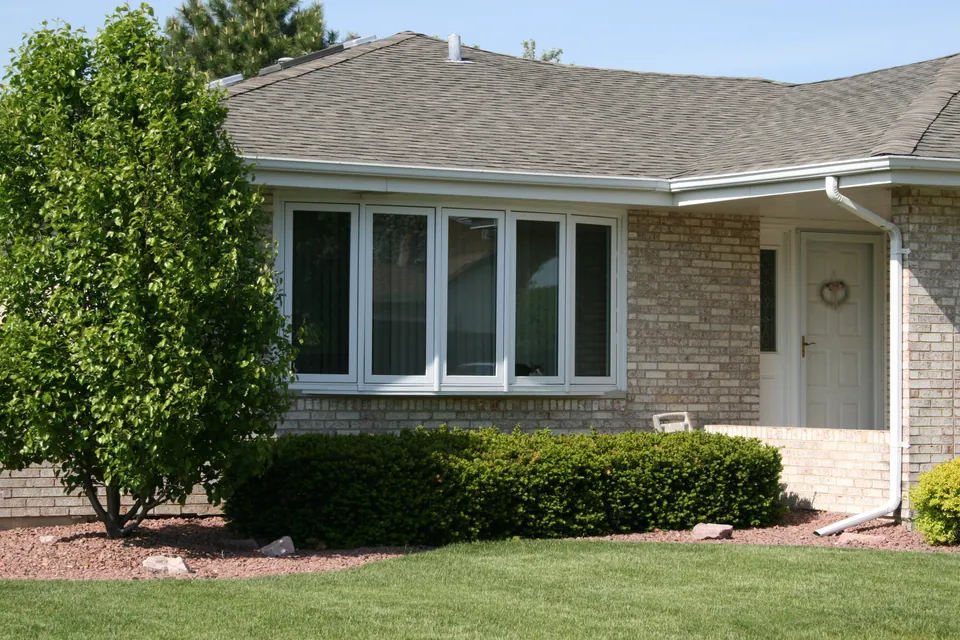
These push out from the wall to give you more light, a wider view, and a little shelf or seat. They make a room feel bigger.
Soft-Lite Elements
Our flagship vinyl for the operating units in a bay or bow. The frame is filled rather than hollow, which matters more here than usual — a projecting unit has more exposed frame per square foot of glass than a flat window does.
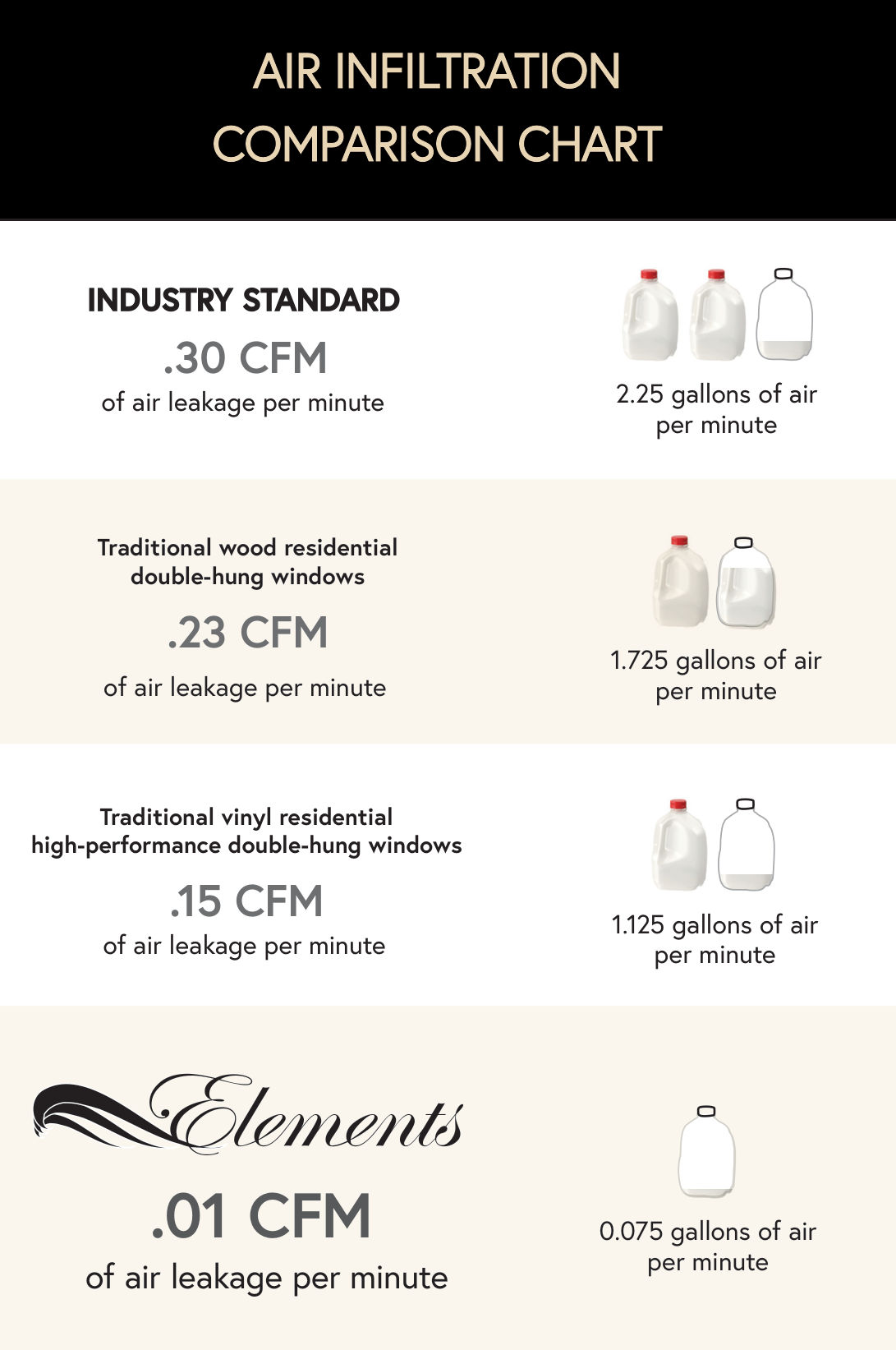
- .01 CFM air infiltration against the .30 CFM industry standard — the tightest number in the lineup
- Comfort-Foam R5 — polyurethane fills the frame and sash cavities a typical vinyl window leaves hollow
- Metal-free Warm-Edge Super Spacer at the glass edge, where sealed units fail first
- Casement side units certified U-0.18 · SHGC 0.20 — the tightest-sealing option for the openers
- UltraSmart triple-fin weatherstripping; fused uPVC welded corners
- AAMA Gold Label
Soft-Lite Classic Plus
The value line, and the one to look at when the finish matters as much as the physics. Same AAMA Gold Label construction as Elements, with four glass packages so the glass can be tuned to the elevation rather than the whole house getting one spec.
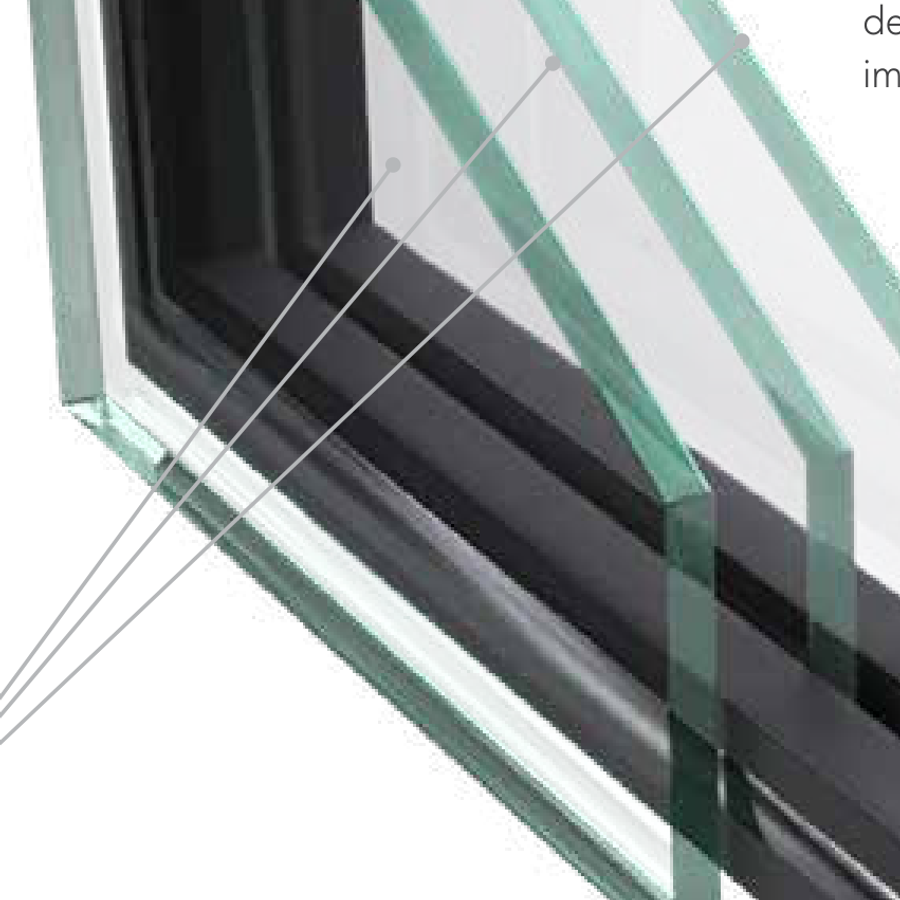
- Four glass packages — Low-E double-pane (U-0.29) up to Solar Ultra Low-E triple-pane (U-0.23)
- AAMA Gold Label
- Lifetime limited product warranty, transferable once to the next owner; optional glass-breakage rider
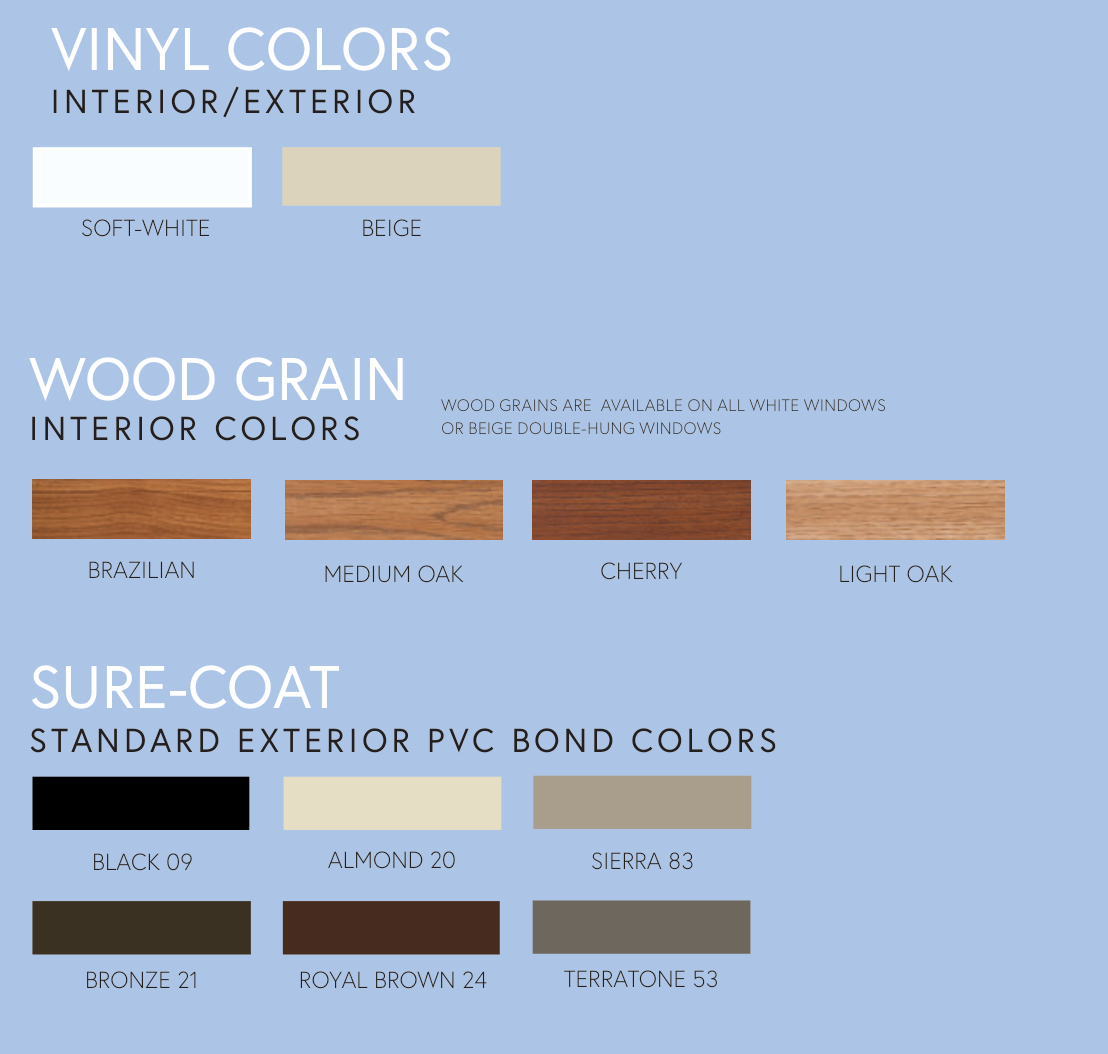
- Woodgrain interiors — Brazilian, Medium Oak, Cherry, Light Oak
- FlexScreen — a PVC-coated spring-steel screen that hides in the pocket, with no rigid frame to bend
A bay window is three units angled out from the wall — usually a large fixed pane in the middle with an opener on each side. A bow is four or more panes set in a gentle curve. Either way the glass leaves the plane of the wall, which is what gives you light from three directions instead of one, a wider view down the street, and a ledge inside deep enough for a seat or plants.
The honest thing to know up front: this is the one window style that is a carpentry job rather than a window swap. The unit doesn't sit in the opening — it hangs off the house. Something has to carry its weight, the roof over it has to shed water, the seat board underneath has to be insulated, and every joint where it meets the siding has to be flashed. That work is most of what you're buying, and it's where a bay window goes wrong years later if someone rushed it.
Weight is the first problem. A loaded bay — glass, frame, seat board, and whatever ends up sitting on it — is heavy and cantilevered off the wall. Support has to be engineered into the unit and tied back to the structure, or the whole assembly gradually sags and the sashes stop closing square. When we quote one, how it's carried is a specific line item, not an assumption.
The second problem is the head and the seat. Anything projecting out of a wall has a small roof on top and a floor underneath, and both are outside the insulated envelope unless you build them into it. An uninsulated bay seat is a cold slab under the coldest window in the room, and it's the reason people say bay windows are drafty. They aren't, if the seat is insulated and the perimeter is sealed.
The windows themselves are the same lines we install everywhere else, and the same arguments apply — foam-filled frames rather than hollow, a metal-free spacer at the glass edge where sealed units fog first, and welded corners. The side units are usually casements, because a casement clamps shut against the frame and seals tightest, or double-hungs if you want the traditional look.
We measure, build it, insulate it, flash it, and finish the interior trim so it looks like it was always there. We've been doing this in south-suburb homes since 1982.
ProVia Endure
A heavier-duty vinyl with more frame colors and glass packages, and the lowest U-factor of anything we carry in vinyl.
- Graphite-infused foam frame — U-factor as low as 0.17
- ComforTech warm-edge glazing
- Lifetime Limited product warranty covering vinyl, hardware and the sealed glass unit including breakage
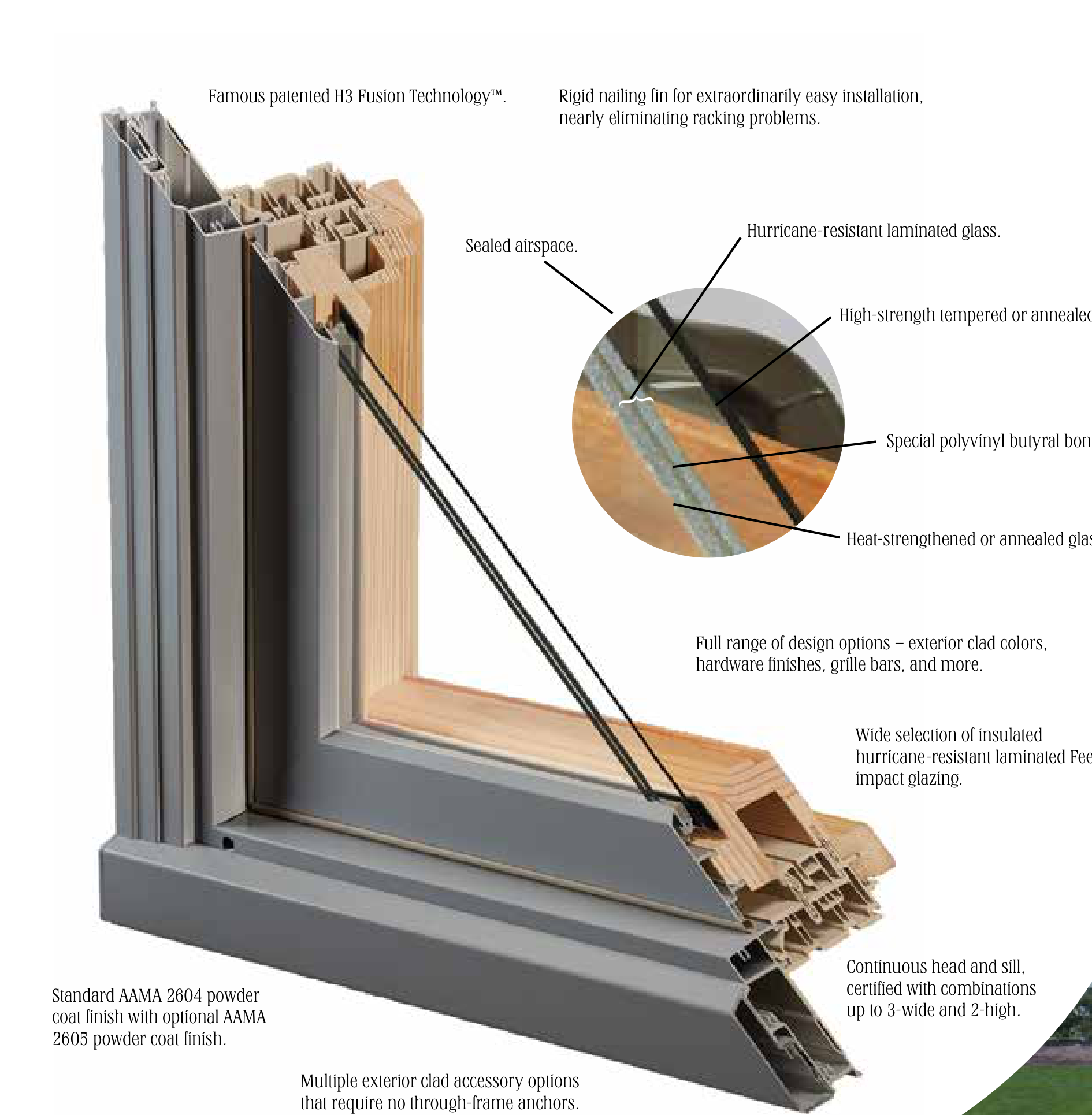
Sierra Pacific & Pella
Clad-wood, and often the right call on a bay. The interior of a bay is a piece of furniture as much as a window — a stainable wood interior lets the seat, jambs and trim read as one.
- Sierra Pacific H3 — 30-year clad coating, 20-year glass
- Pella Lifestyle — limited lifetime wood and clad, 20-year non-laminated glass, blinds available between the glass
- Stainable interiors to match the seat board and existing trim
Worth knowing
Bay or bow — which one suits the room
People use the words interchangeably and they're different windows. The choice is mostly about the wall you have and the look you're after.
| Feature | Bay | Bow |
|---|---|---|
| Units | Usually three — a fixed centre with an opener each side | Four or more, in a gentle curve |
| Projection | Pushes out further, at a sharper angle — more depth for a seat | Shallower curve, so it reads softer against the elevation |
| Interior ledge | Deeper — the better one if you actually want a window seat | Shallower but wider, better as a display shelf |
| Ventilation | Two openers at the sides | Depends on configuration; often more openers available |
| Look | More angular, reads traditional on most Chicagoland houses | Curved and softer — often suits older and Victorian-influenced homes |
| Wall width needed | Works on a narrower wall | Wants a wider run of wall to look right |
If the point is a window seat, a bay usually wins on depth. If the point is a wide sweep of light across a front room, a bow usually looks better doing it.
Let's talk about your project.
How it works
- 1
Free consultation
We measure the opening, look at the wall structure and how the unit will be carried, and talk through bay versus bow. You get a clear written proposal — no pressure.
- 2
Order & build
The unit is built to your exact opening, including the seat board and head. These usually take a few weeks.
- 3
Install day
Same crews, job after job. A bay or bow is typically a one-day install, sometimes longer for the seat and trim work. On homes built before 1978 we work as an EPA Lead-Safe Certified Firm.
- 4
Walk-through & after
We check the support, the flashing at every joint, and that each opener closes square. Warranty visits carry no service fee during your labor-warranty period.
Let's talk about your project.
BRANDS WE INSTALL




Last updated — we keep product specs and warranty terms on this page current with what we actually install.
Bay & Bow Windows — common questions
Reviewed September 2026
What's the difference between a bay and a bow?
A bay is usually three units — a big fixed pane in the middle with an opener angled out on each side. A bow is four or more panes set in a gentle curve. A bay projects further and gives you a deeper interior ledge; a bow is shallower and wider, and reads softer against the front of the house.
Are bay windows drafty?
A badly built one is, and that's where the reputation comes from — but it's rarely the glass. A projecting window has a small roof above it and a seat below it, and both sit outside the insulated envelope unless someone builds them into it. An uninsulated seat board is a cold slab under the coldest window in the room. Insulated and flashed properly, a bay is no draftier than any other window.
Will it sag over time?
Not if it's carried properly, and this is the part to ask any contractor about. A loaded bay is heavy and cantilevered off the wall, so support has to be built into the unit and tied back to the structure. When we quote one, how the weight is carried is a specific line item rather than an assumption.
Can I put a window seat in it?
Yes, and it's the most common reason people choose a bay over a bow — the deeper projection gives you a real seat rather than a ledge. We build the seat board as part of the job and insulate it, and we can finish it to match your trim.
Do the side windows open?
Usually, yes. The side units are typically casements, because a casement clamps shut against the frame and seals tightest, or double-hungs if you want the traditional look. The centre pane is normally fixed, since it's the big one and there's no benefit to it opening.
Is this more disruptive than a normal window replacement?
Somewhat, because it's carpentry as well as a window. Most bays and bows are still a one-day install, but the seat and interior trim can add time. We'll tell you at the measure what your specific opening needs — we'd rather set the expectation than surprise you.
Are these Energy Star windows?
Certain configurations qualify, and it depends on the glass package rather than the window line. Excel is an Energy Star Partner, and we'll tell you exactly which configurations qualify before you sign anything.
What's the warranty?
Two separate warranties. The manufacturer warrants the product — 20 years to Lifetime depending on the line, with the Soft-Lite product warranty lasting as long as you own the home, and a one-time transfer to the next owner. Excel warrants the labor for five years, and on a bay that labor warranty covers the carpentry we did, not just the window. The specifics are written into your contract — read them, and ask us anything.
Will the same crew be on my job?
Yes. We send the same crews job after job — low turnover, same faces from start to finish.
Ready When You Are
Let's talk about your bay & bow windows.
A free, no-pressure in-home consultation. We bring the product samples, measure what we need to measure, and leave you with a clear written proposal — not a sales pitch.