
Excel Windows
Casement Windows
They crank open with one hand, swing wide for full airflow, and clamp shut tight against the wind. Great over a sink or in a tight spot.
Soft-Lite Elements
Our flagship vinyl, and the line where the casement's numbers are strongest. The frame is filled rather than hollow, and the corners are welded rather than screwed together.
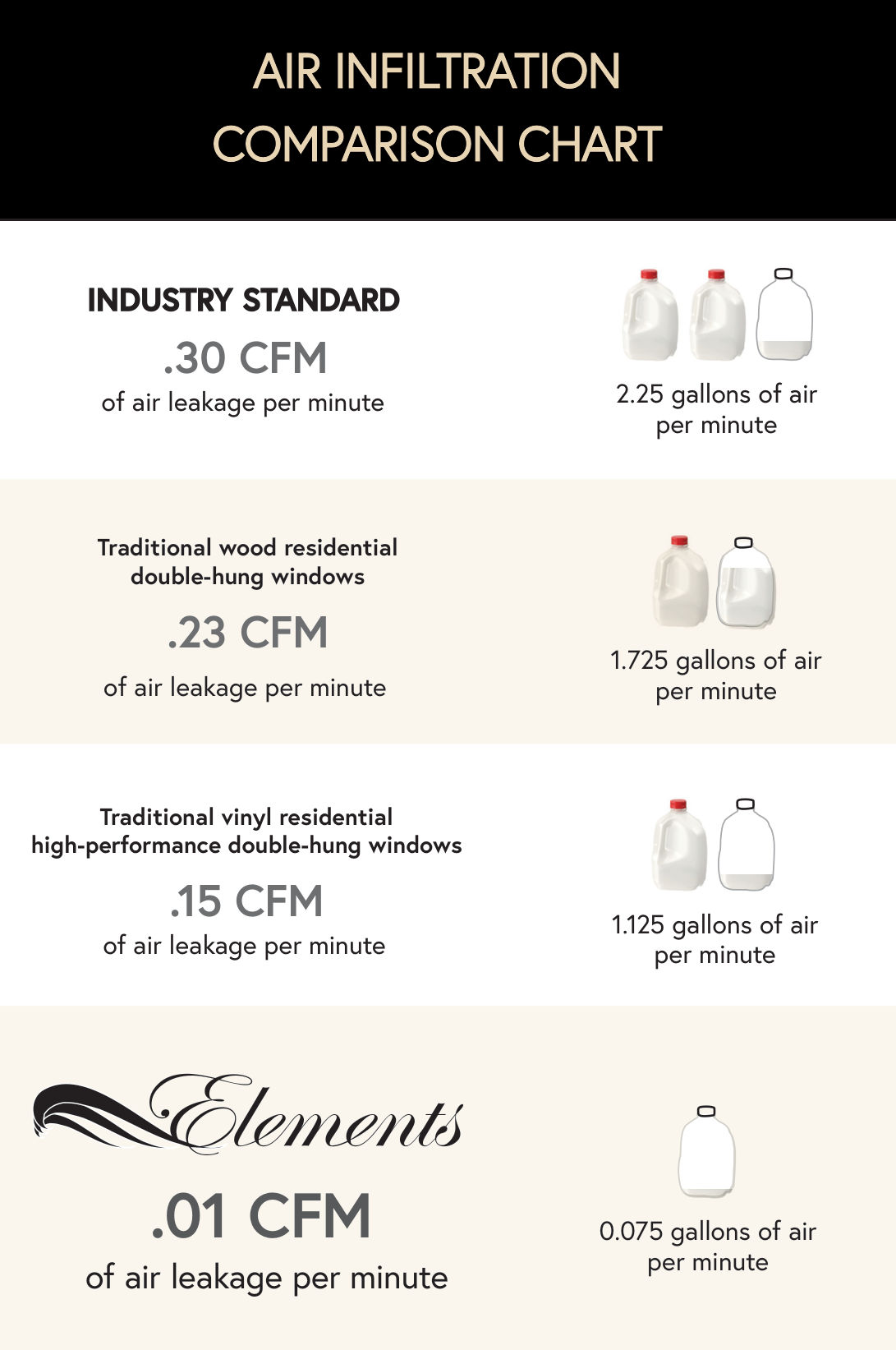
- .01 CFM air infiltration against the .30 CFM industry standard — the tightest number in the lineup
- Independently certified U-0.18 · SHGC 0.20 — the best-performing style in the line
- Comfort-Foam R5 — polyurethane fills the frame and sash cavities a typical vinyl window leaves hollow
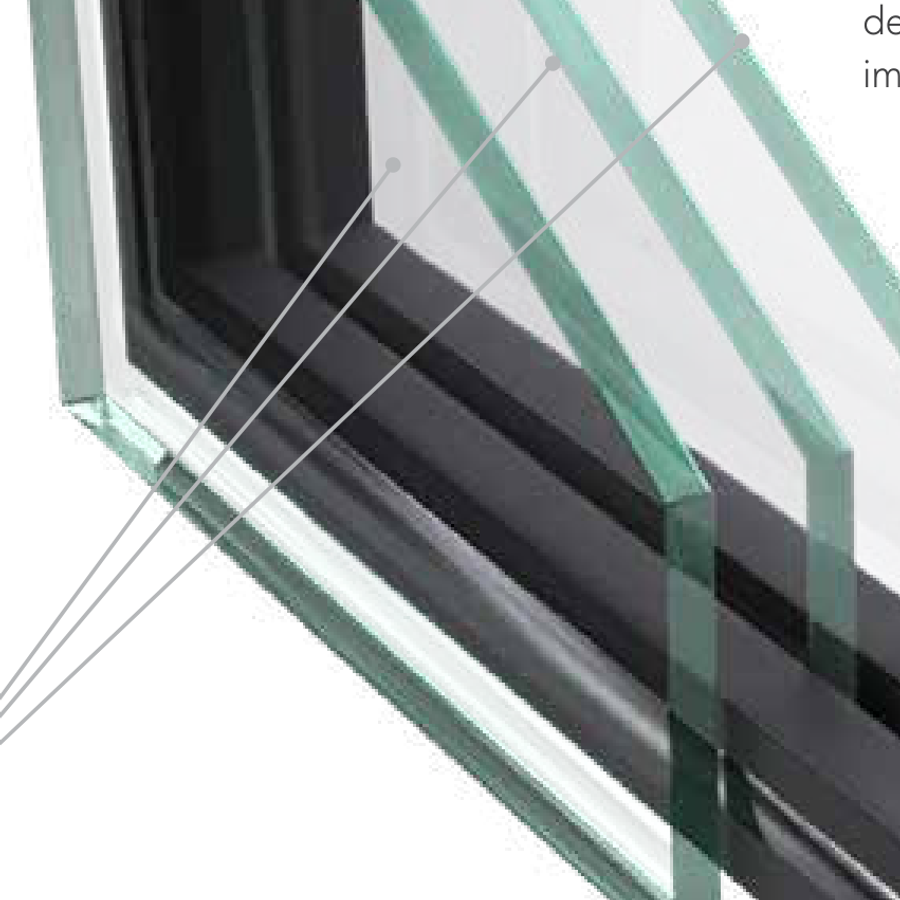
- Metal-free Warm-Edge Super Spacer at the glass edge, where sealed units fail first
- UltraSmart triple-fin weatherstripping — three sealing fins rather than one
- Fused uPVC frames and sashes — welded corners that don't open up over decades of thermal cycling
- AAMA Gold Label
Soft-Lite Classic Plus
The value line, and the one to look at when the finish matters as much as the physics. Same AAMA Gold Label construction as Elements, with four glass packages so the glass can be tuned to the elevation rather than the whole house getting one spec.
- Four glass packages — Low-E double-pane (U-0.29) up to Solar Ultra Low-E triple-pane (U-0.23)
- AAMA Gold Label
- Lifetime limited product warranty, transferable once to the next owner; optional glass-breakage rider
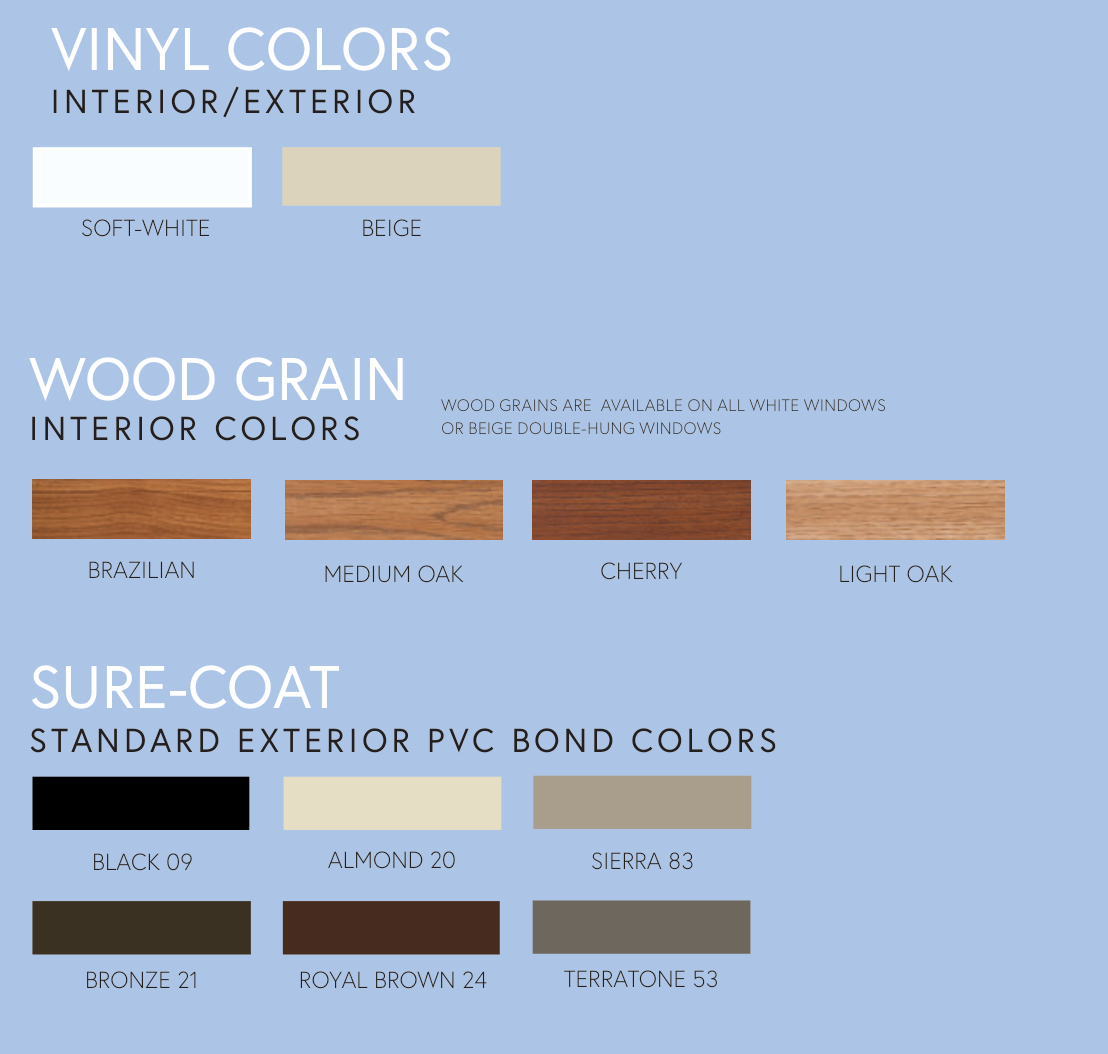
- Woodgrain interiors — Brazilian, Medium Oak, Cherry, Light Oak
- FlexScreen — a PVC-coated spring-steel screen that hides in the pocket, with no rigid frame to bend
Casement windows hinge on the side and crank outward, so they open all the way for full airflow. There's no rail through the middle, so the view stays clean. And because the sash presses against the frame when you close it, they seal tighter than most window styles.
That closing action is the whole argument. Turning the crank pulls the sash inward and compresses the weatherstrip all the way around the opening. A sliding window can only ever press past its weatherstrip. A casement squeezes it.
The numbers follow. In the Soft-Lite Elements line the casement is independently certified at U-0.18 with a solar heat gain coefficient of 0.20 — better than the same line's double-hung at U-0.19, with the same glass. If one room in your house is the cold one, or you have a wall that takes the wind off an open field, this is usually the style we point you toward.
Airflow is the other reason people choose them. A double-hung gives you half the opening at a time; a casement gives you the whole thing, and the open sash acts like a scoop that catches a side-on breeze and turns it into the room. On a kitchen or a bedroom that never seems to move air, that's the fix.
The trade-offs are honest ones. There's a crank and a hinge, which is more mechanism than a double-hung has, and the sash swings outward — so they don't suit a window over a walkway, a deck rail, or anywhere patio furniture would foul the swing. We check swing clearance on every opening at the consultation rather than discovering it on install day.
Awnings and hoppers are the same hardware family with a different hinge. An awning is hinged at the top and opens out at the bottom, so it sheds rain and can stay cracked in a drizzle — good over a sink or in a basement. A hopper hinges at the bottom and tips inward. If a casement is close but not quite right for an opening, one of those two usually is.
ProVia Endure
A heavier-duty vinyl with a wider range of frame colors and glass packages, and the lowest U-factor of anything we carry in vinyl.
- Graphite-infused foam frame — U-factor as low as 0.17
- ComforTech warm-edge glazing
- Lifetime Limited product warranty covering vinyl, hardware and the sealed glass unit including breakage
Sierra Pacific & Pella
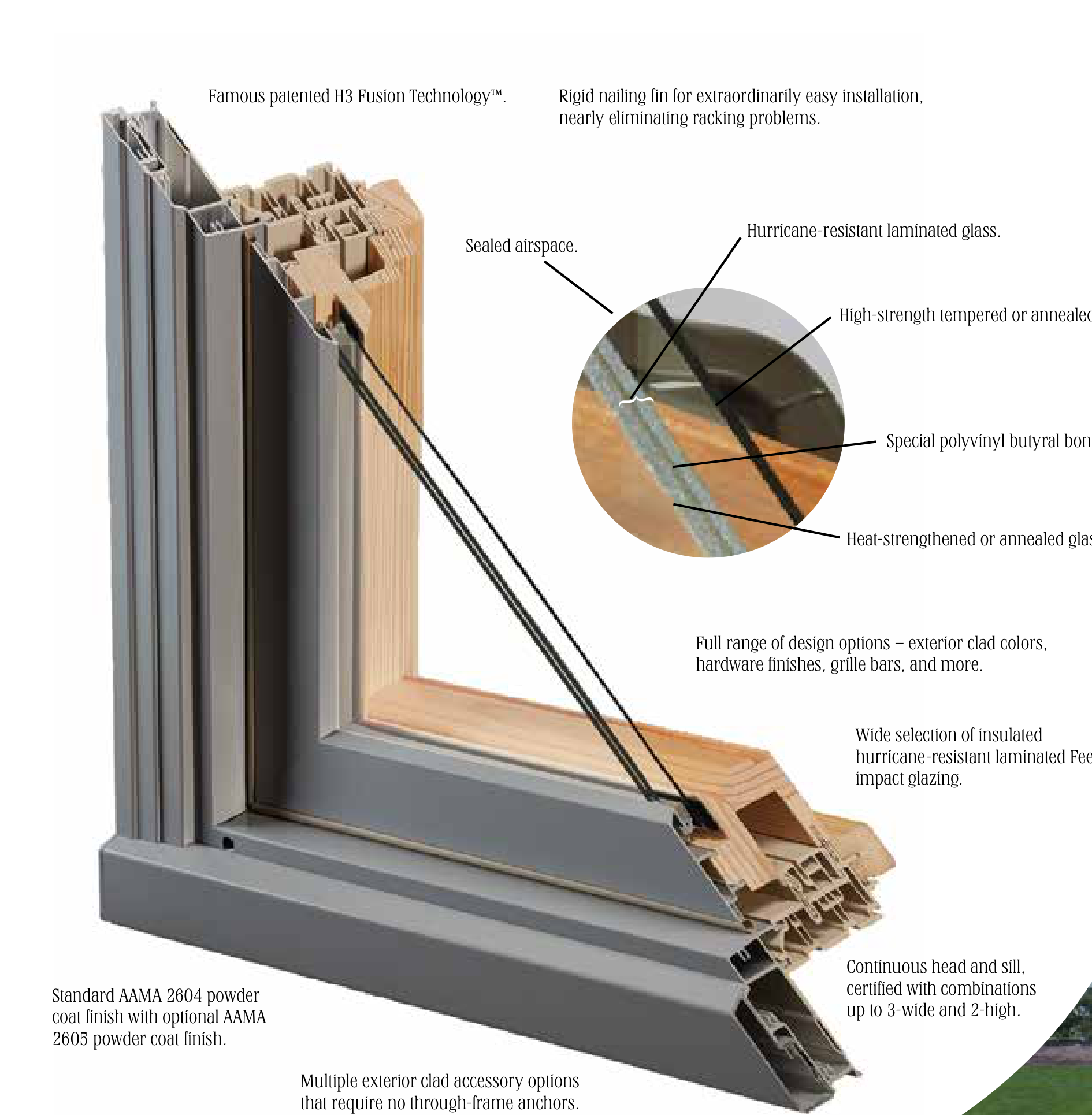
Real wood and clad-wood casements, for when the interior look matters as much as the performance. A stainable wood interior with a clad exterior that never needs painting.
- Sierra Pacific H3 — 30-year clad coating, 20-year glass; casement is a standard operating style
- Pella Lifestyle — limited lifetime wood and clad, 20-year non-laminated glass, with blinds available sealed between the glass
- Stainable interiors to match existing trim
Worth knowing
Casement vs. double-hung, honestly
This is the comparison people actually want, and neither answer is wrong. It depends on the opening and on what's bothering you about the window that's there now.
| Feature | Casement | Double-hung |
|---|---|---|
| How it seals | Cranks in and clamps against the frame — compression all the way around | Sashes slide past the weatherstrip; a good seal, but not a compression seal |
| Certified U-factor | U-0.18 in the Elements line | U-0.19 in the same line, same glass |
| Opening | The whole opening, and the sash scoops a side-on breeze into the room | Half the opening at a time |
| Where it doesn't fit | Anywhere the sash would swing into a walkway, deck rail or patio furniture | Fits almost anywhere — nothing projects outward |
| Mechanism | Crank and hinge — more moving parts | A balance system, no crank |
| Look | Reads more contemporary | The traditional Chicagoland look |
If a whole house is going in, mixing is normal and often right — casements on the wind-facing wall or the room that never airs out, double-hungs everywhere else.
Let's talk about your project.
How it works
- 1
Free consultation
We measure, check the swing clearance on every opening, and bring real samples. You get a clear written proposal — no pressure and no same-day-only pricing.
- 2
Final measure & order
Every window is built to your exact openings, so we measure a second time before anything is ordered. Figure six to eight weeks from first call to install day on most projects.
- 3
Install day
Same crews, job after job. Most whole-home jobs run one to two days. On homes built before 1978 we work as an EPA Lead-Safe Certified Firm, which governs how the opening is contained and cleaned.
- 4
Walk-through & after
We check every crank and lock with you before we leave. Warranty visits carry no service fee during your labor-warranty period.
Let's talk about your project.
BRANDS WE INSTALL



Last updated — we keep product specs and warranty terms on this page current with what we actually install.
Casement Windows — common questions
Reviewed September 2026
Why does a casement seal better than a double-hung?
Because of how it closes. Turning the crank pulls the sash inward against the frame and compresses the weatherstrip all the way around the opening. A double-hung's sashes slide past their weatherstripping instead of squeezing it. That's why the same manufacturer certifies its casement at U-0.18 and its double-hung at U-0.19 — same glass, different closing action.
Where should I not put a casement?
Anywhere the sash would swing into something — over a deck rail, above a walkway, behind patio furniture, or where a screen door would foul it. We check swing clearance on every opening at the consultation rather than finding it on install day.
Are casements harder to clean?
Not really, and on a second storey they're often easier. Because the sash swings fully open you can reach the outside face of the glass from inside the room. There's no tilt mechanism to work — you just open it all the way.
What about awning and hopper windows?
Same hardware family, different hinge. An awning is hinged at the top and opens outward at the bottom, so it sheds rain and can stay open in a drizzle — good over a sink or in a basement. A hopper hinges at the bottom and tips inward. If a casement is nearly right for an opening but not quite, one of those two usually is.
Will the crank wear out?
It's the part with the most moving pieces, so it's a fair question. The operators we install are heavy-duty and covered under the manufacturer's product warranty along with the rest of the window. If one ever needs replacing there's no service fee just to get us to the door during your labor-warranty period.
Are these Energy Star windows?
Certain configurations qualify, and it depends on the glass package you choose rather than the window line itself. Excel is an Energy Star Partner, and we'll tell you exactly which configurations qualify before you sign anything.
How long does the install take?
Most whole-home jobs run one to two days, weather depending. A handful of openings is usually a single day. From your first call to install day is normally six to eight weeks, because the windows are built to your measurements.
What's the warranty?
Two separate warranties. The manufacturer warrants the product — 20 years to Lifetime depending on the line, with the Soft-Lite product warranty lasting as long as you own the home, and a one-time transfer to the next owner. Excel warrants the labor for five years, with no service fee to come out during that period. The specifics are written into your contract — read them, and ask us anything.
Will the same crew be on my job?
Yes. We send the same crews job after job — low turnover, same faces from start to finish.
Ready When You Are
Let's talk about your casement windows.
A free, no-pressure in-home consultation. We bring the product samples, measure what we need to measure, and leave you with a clear written proposal — not a sales pitch.