
Excel Windows
Slider Windows
Sliders move side to side instead of up and down. No crank, low profile, and a good fit for wide openings where you want more glass than height.
Soft-Lite Elements
Our flagship vinyl, and the line whose meeting-rail reinforcement matters most in a slider. The frame is filled rather than hollow and the corners are welded rather than screwed.
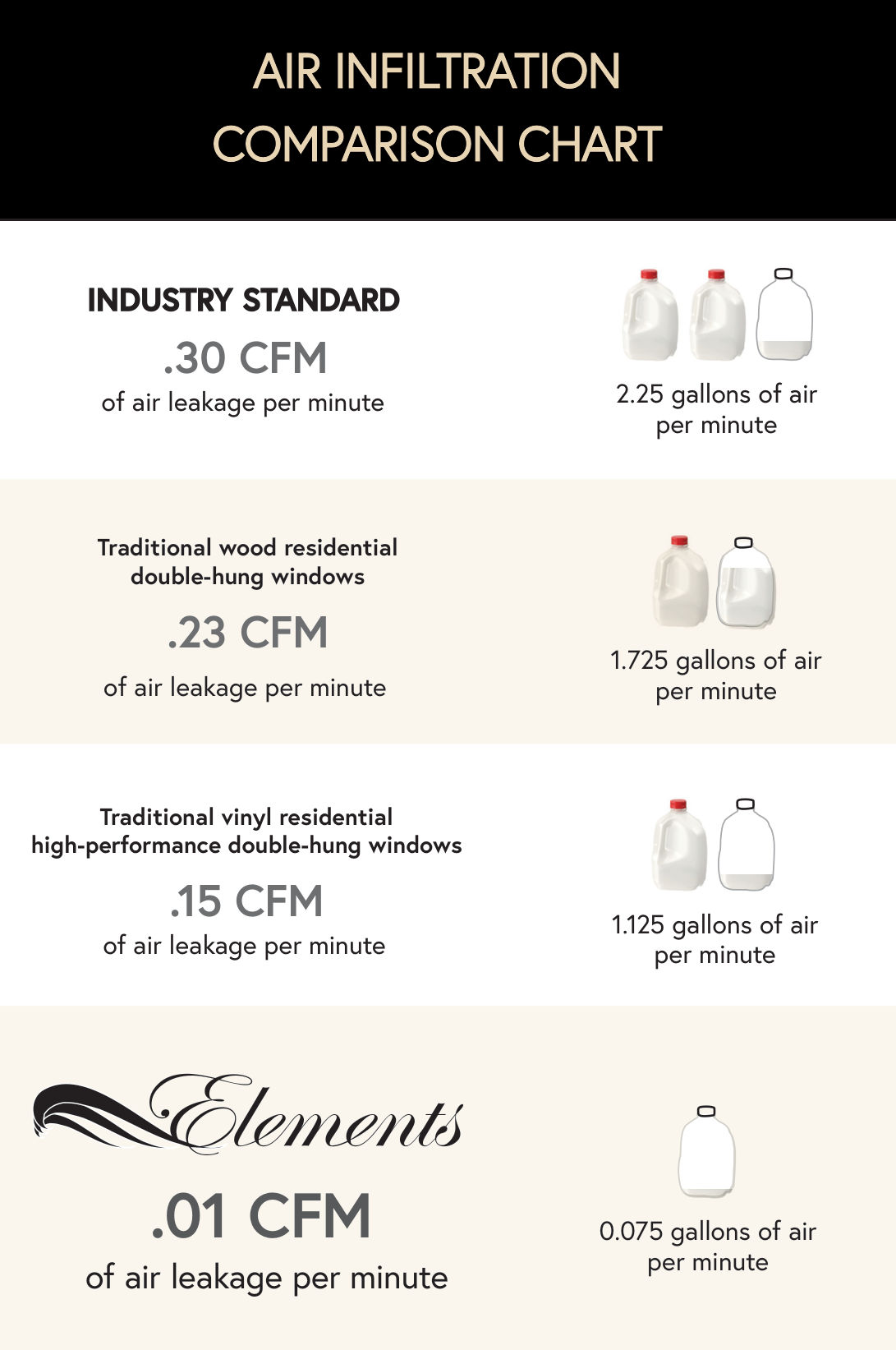
- .01 CFM air infiltration against the .30 CFM industry standard — the tightest number in the lineup
- K-Beam Kevlar meeting-rail reinforcement — rigid without conducting cold across your sightline
- Comfort-Foam R5 — polyurethane fills the frame and sash cavities a typical vinyl window leaves hollow
- Metal-free Warm-Edge Super Spacer at the glass edge, where sealed units fail first
- UltraSmart triple-fin weatherstripping — three sealing fins rather than one
- Fused uPVC frames and sashes; AAMA Gold Label
Soft-Lite Classic Plus
The value line, and the one to look at when the finish matters as much as the physics. Same AAMA Gold Label construction as Elements, with four glass packages so the glass can be tuned to the elevation rather than the whole house getting one spec.
- Four glass packages — Low-E double-pane (U-0.29) up to Solar Ultra Low-E triple-pane (U-0.23)
- AAMA Gold Label
- Lifetime limited product warranty, transferable once to the next owner; optional glass-breakage rider
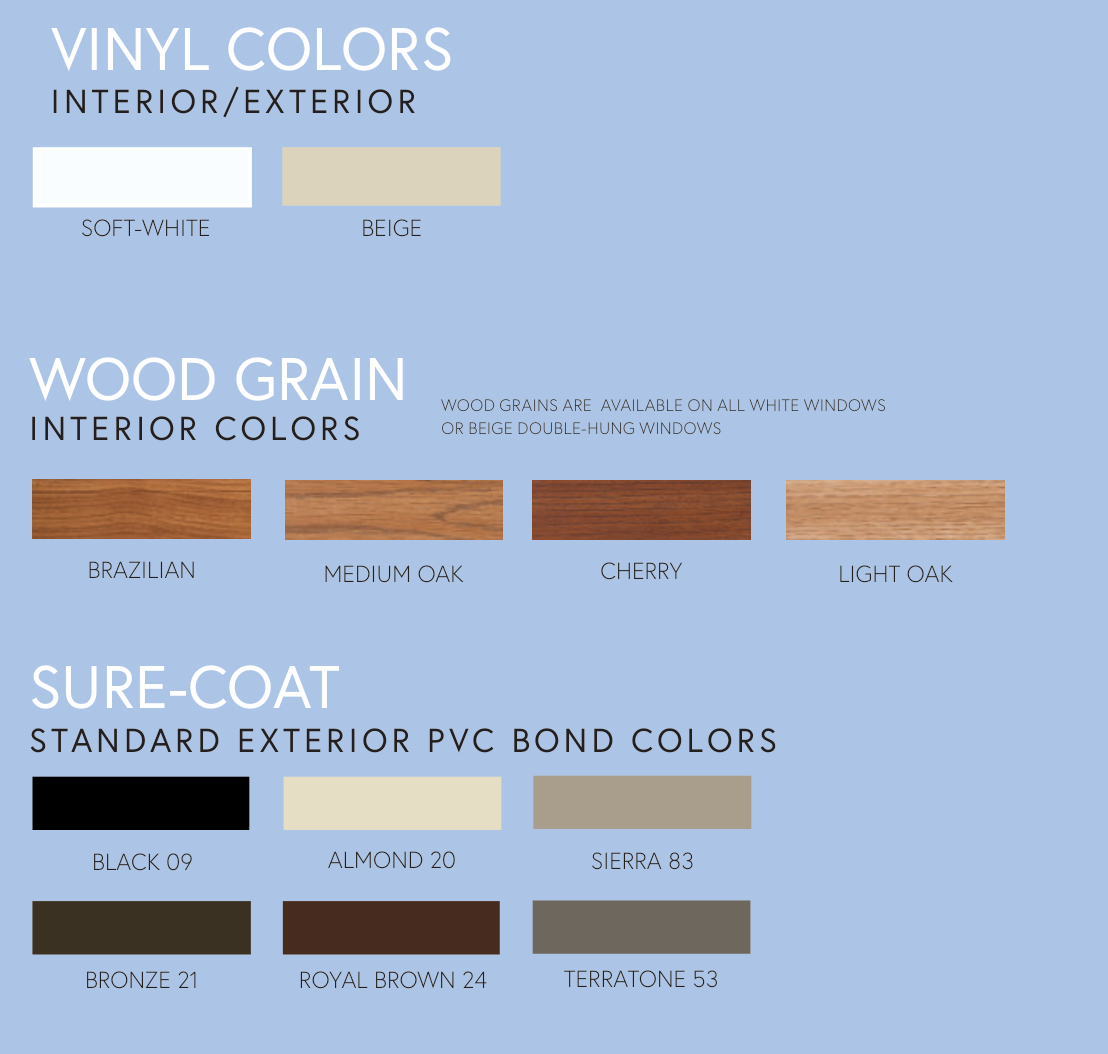
- Woodgrain interiors — Brazilian, Medium Oak, Cherry, Light Oak
- FlexScreen — a PVC-coated spring-steel screen that hides in the pocket, with no rigid frame to bend
Slider windows open by gliding side to side along a track. There's no crank and no sash to lift, so they're the easiest style in the house to operate — which is why they end up over kitchen sinks, in basements, and in any opening you have to reach across furniture to get to.
They also suit a shape most windows don't. When an opening is wider than it is tall, a double-hung looks squat and a casement gets unwieldy. A slider is built for that proportion, so you get the full width in glass instead of splitting it into two awkward units.
The part that decides whether a slider is good or annoying is the meeting rail — the vertical bar where the two sashes overlap in the middle. It takes the load when you shove the sash, and if it flexes the window racks in the track and starts to bind. That's the slider that needs two hands after eight years.
The Soft-Lite Elements line reinforces that rail with a Kevlar-enhanced K-Beam rather than steel. Steel is strong, but it conducts cold straight through the middle of the window — which is exactly where a slider's meeting rail sits, right across your sightline. Kevlar gives you the stiffness without putting a cold bar through the center. It's the same reinforcement used in the double-hung, and sliders and double-hungs are the two styles that need it.
The rest of the argument is the same one we make on every window we sell: a frame filled with foam instead of left hollow, a metal-free spacer at the glass edge where sealed units fog first, and three sealing fins instead of one. On the Elements line that adds up to air infiltration of .01 CFM against an industry standard of .30 — thirty times tighter than what counts as passing.
We measure each opening, install clean, and set the track so the sash glides on one finger. Since 1982, in south-suburb homes.
ProVia Endure
A heavier-duty vinyl with more frame colors and glass packages, and the lowest U-factor of anything we carry in vinyl.
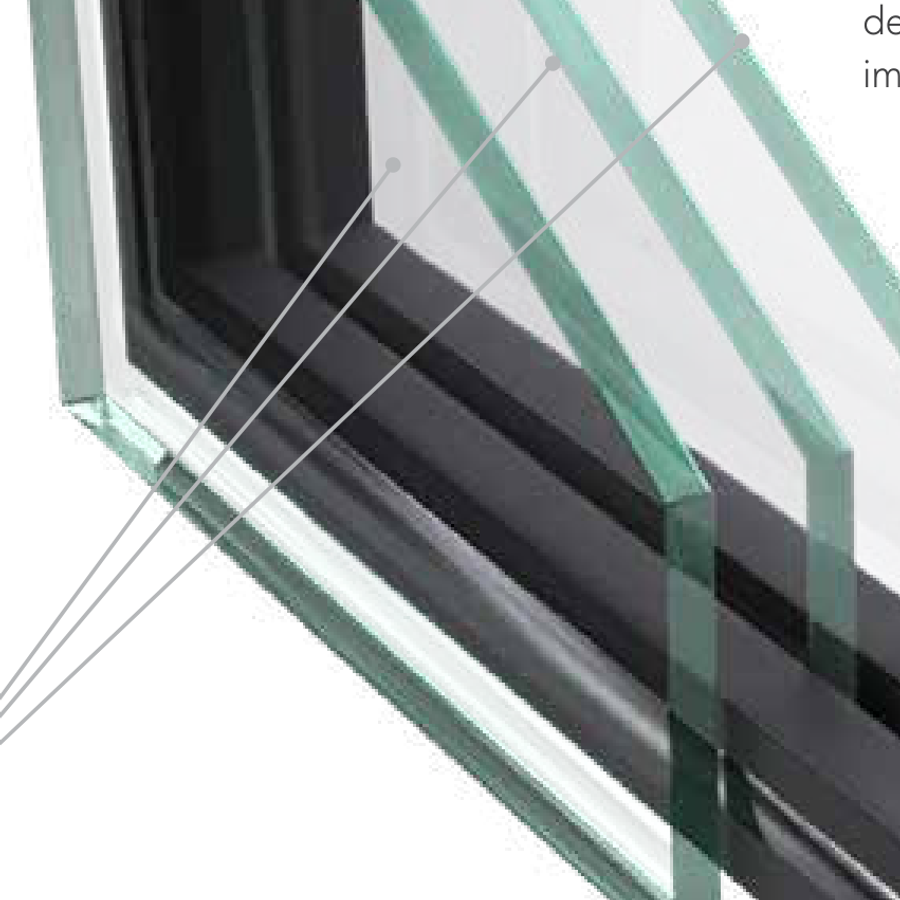
- Graphite-infused foam frame — U-factor as low as 0.17
- ComforTech warm-edge glazing
- Lifetime Limited product warranty covering vinyl, hardware and the sealed glass unit including breakage
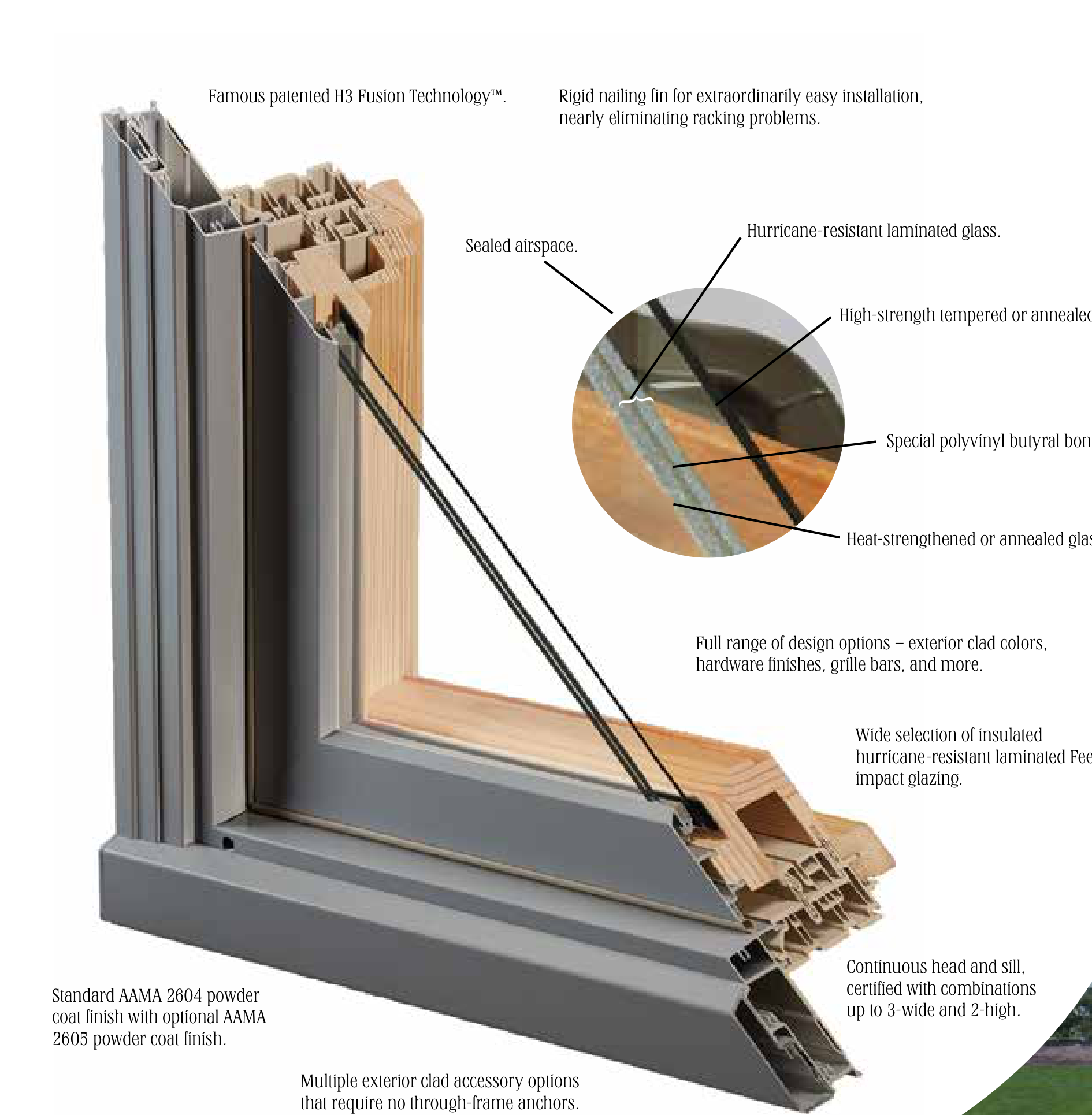
Sierra Pacific & Pella
Real wood and clad-wood sliders, when the interior look matters as much as the performance. Horizontal slider is a standard operating style in the Sierra Pacific H3 range.
- Sierra Pacific H3 — 30-year clad coating, 20-year glass
- Pella Lifestyle — limited lifetime wood and clad, 20-year non-laminated glass
- Stainable wood interiors; factory-finished clad exteriors
Worth knowing
When a slider is the right call — and when it isn't
Sliders get chosen for the wrong reason (they're cheap) and skipped for the wrong reason (they feel basic). Here's the actual decision.
| Feature | Slider | Double-hung |
|---|---|---|
| Opening shape | Built for openings wider than they are tall | Suits taller-than-wide openings; looks squat on a wide one |
| Operating effort | Glides sideways — nothing to lift, no crank | You lift the sash against a balance |
| Hard-to-reach spots | The easiest style to work across a sink or counter | Harder to reach the upper sash across furniture |
| Ventilation | Half the opening at a time | Half the opening, but you can vent top and bottom at once |
| What can go wrong | A flexing meeting rail racks the sash and it starts to bind | A worn balance and the sash won't stay up |
| Look | Low-profile and modern; common on newer and ranch homes | The traditional Chicagoland look |
On a wide basement or kitchen opening, a slider is usually the honest answer. On a tall front-elevation window, a double-hung almost always looks right and a slider doesn't.
Let's talk about your project.
How it works
- 1
Free consultation
We measure, check the opening proportion, and bring real samples. You get a clear written proposal — no pressure and no same-day-only pricing.
- 2
Final measure & order
Every window is built to your exact openings, so we measure a second time before anything is ordered. Figure six to eight weeks from first call to install day on most projects.
- 3
Install day
Same crews, job after job. Most whole-home jobs run one to two days. On homes built before 1978 we work as an EPA Lead-Safe Certified Firm, which governs how the opening is contained and cleaned.
- 4
Walk-through & after
We set the track so the sash glides on one finger and check every lock with you. Warranty visits carry no service fee during your labor-warranty period.
Let's talk about your project.
BRANDS WE INSTALL




Last updated — we keep product specs and warranty terms on this page current with what we actually install.
Slider Windows — common questions
Reviewed September 2026
Why would I choose a slider over a double-hung?
Two reasons, and they're both practical. If the opening is wider than it is tall, a slider is built for that shape and a double-hung will look squat in it. And if you have to reach across a sink, a counter or furniture to get to the window, sliding sideways is far easier than lifting a sash. Those two cases cover most of the sliders we install.
Do sliders leak more air than other styles?
Not the ones we install. The Elements line tests at .01 CFM of air infiltration against an industry standard of .30 — thirty times tighter than what counts as passing. What leaks is an old slider whose meeting rail has flexed and whose weatherstripping has gone hard.
My old slider sticks and needs two hands. Why?
Usually the sash has racked. The meeting rail flexes over the years, the sash goes slightly out of square, and it binds in the track — and once that starts it gets worse. Sometimes it's just a dirty track or worn rollers, which is worth checking first. New units reinforce that rail specifically to stop it happening.
What does the K-Beam actually do?
It stiffens the meeting rail — the vertical bar where the two sashes overlap. Most manufacturers reinforce that with steel, which works but conducts cold straight through the middle of the window, right across your sightline. The K-Beam is Kevlar-enhanced instead, so you get the rigidity without the cold bar. Sliders and double-hungs are the two styles that need it.
Are sliders easy to clean?
The sashes lift out on most of the units we install, so you can clean the outside glass indoors. We show you how at the walk-through — it's the thing people forget within a week of the install.
Are these Energy Star windows?
Certain configurations qualify, and it depends on the glass package rather than the window line itself. Excel is an Energy Star Partner, and we'll tell you exactly which configurations qualify before you sign anything.
How long does the install take?
Most whole-home jobs run one to two days, weather depending. From your first call to install day is normally six to eight weeks, because the windows are built to your measurements.
What's the warranty?
Two separate warranties. The manufacturer warrants the product — 20 years to Lifetime depending on the line, with the Soft-Lite product warranty lasting as long as you own the home, and a one-time transfer to the next owner. Excel warrants the labor for five years, with no service fee to come out during that period. The specifics are written into your contract — read them, and ask us anything.
Will the same crew be on my job?
Yes. We send the same crews job after job — low turnover, same faces from start to finish.
Ready When You Are
Let's talk about your slider windows.
A free, no-pressure in-home consultation. We bring the product samples, measure what we need to measure, and leave you with a clear written proposal — not a sales pitch.