
Excel Doors
Patio Doors
Sliding or hinged French style. The door to your deck or yard should glide easy, lock solid, and seal tight against the cold. We make sure it does.
A patio door is the biggest single piece of glass in most houses, and it's the one that moves. That combination is why it's usually the coldest spot in the room by February and why an old one starts needing two hands and a shoulder to open.
Our primary patio door is the Soft-Lite Kingsroyal Glide, and the reason is a number: air infiltration of 0.06 CFM at 25 mph, against an industry minimum of 0.30. That's roughly five times tighter than what the standard calls passing — on the largest opening in the wall. It's the patio-door equivalent of the tightness figure we quote on our windows, and it matters more here because the opening is bigger.
It also keeps your patio door in the same warranty family as our primary Soft-Lite windows, which is worth more than it sounds. If you're replacing windows and the patio door together, one manufacturer stands behind all of it, and one warranty covers it.
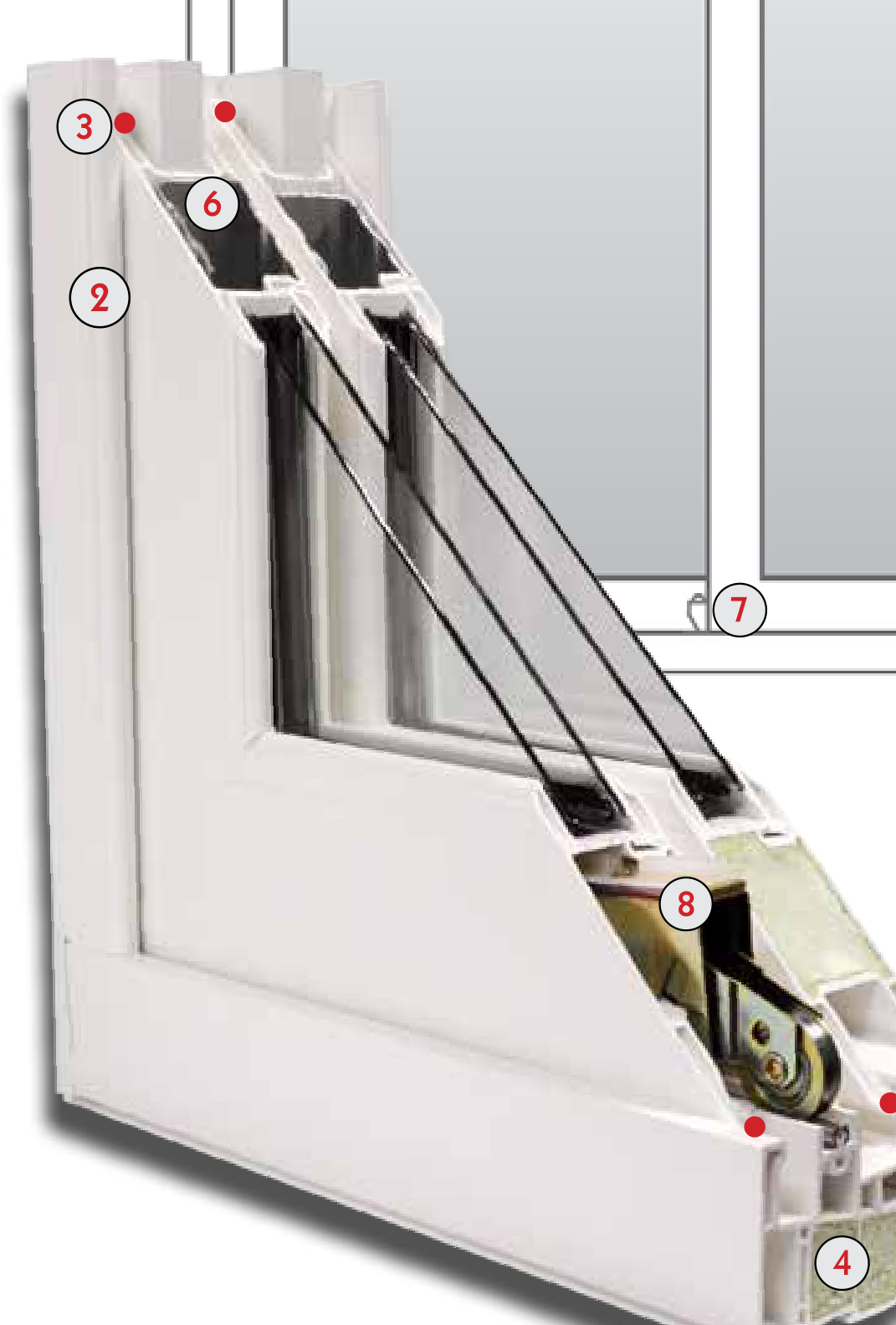
The mechanical part people underestimate is the panel. A sliding patio panel is heavy, and if the stiles flex it racks in the track — that's the door that drags, then sticks, then needs lifting. Kingsroyal puts metal reinforcement in every vertical sash stile, and the frames, rails and stiles are injected with R-5 foam rather than left hollow, so the same part that insulates also stiffens.
Locking is the other one. A single center latch pulls the panel tight in the middle and leaves the top and bottom to bow. A two-point stainless mortise lock pulls the panel into the jamb at both ends — better security, and a noticeably better seal along the whole height.
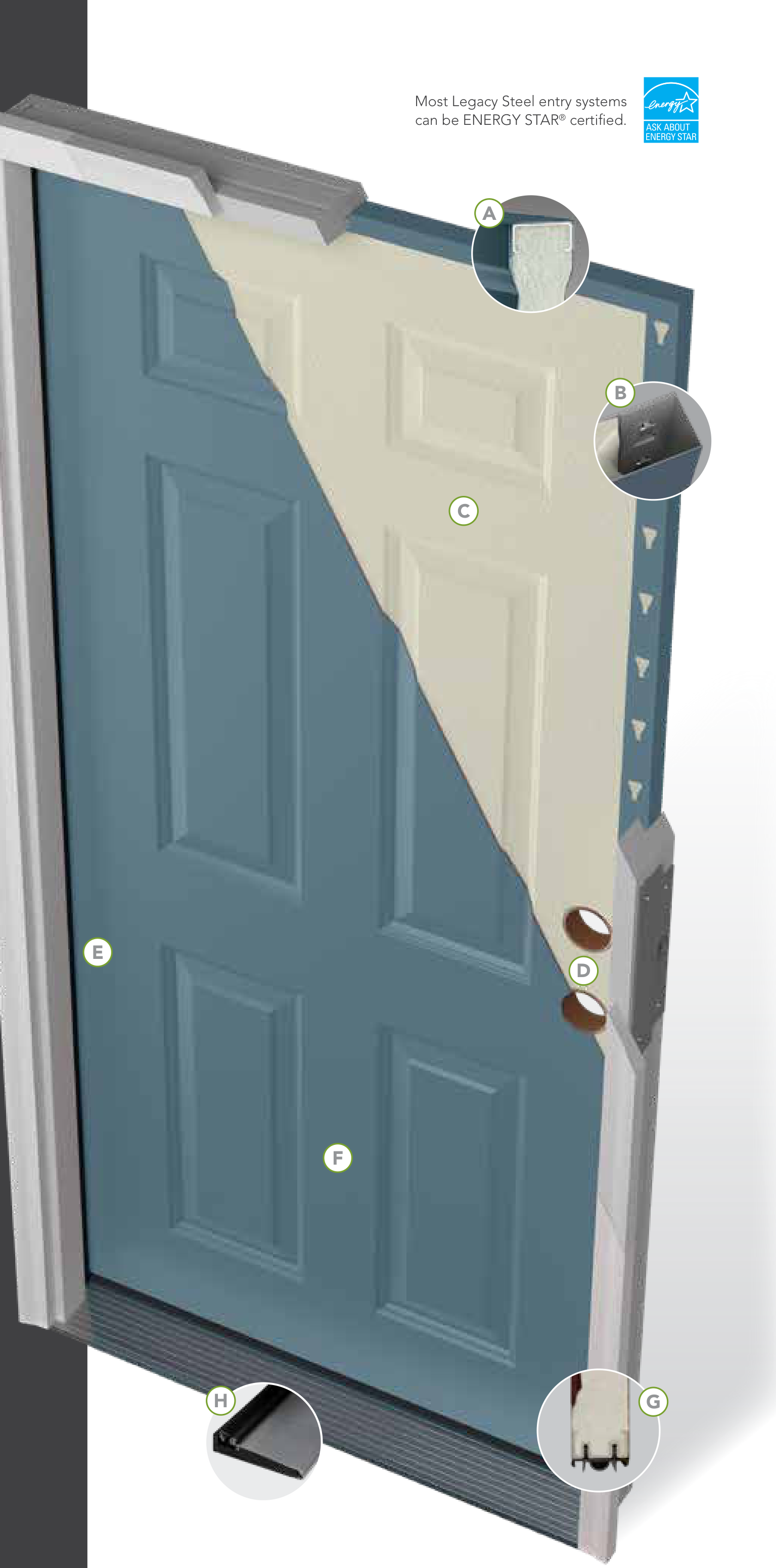
If you'd rather swing than slide, we do that too — a ProVia Legacy French or hinged patio in 20-gauge steel, or clad-wood from Pella and Sierra Pacific when the interior needs to match real wood trim. We measure the opening, set the door dead level so it glides on its own weight, and check the lock engages without lifting.
Your options
Soft-Lite Kingsroyal Glide (sliding)
Our primary patio door, and the tightest thing we install. Slim sash profiles mean more glass and a wider view than most sliders give you at the same opening size.
- 0.06 CFM air infiltration at 25 mph — about 5× tighter than the 0.30 CFM industry minimum
- Structural DP 50 at 171 mph; water-tested at 54 mph and 8″ of rain per hour
- R-5 ComfortFoam injected into frames, rails and stiles
- Metal reinforcement in every vertical sash stile, so a big panel doesn't rack
- Two-point stainless-steel mortise lock, exterior keyed
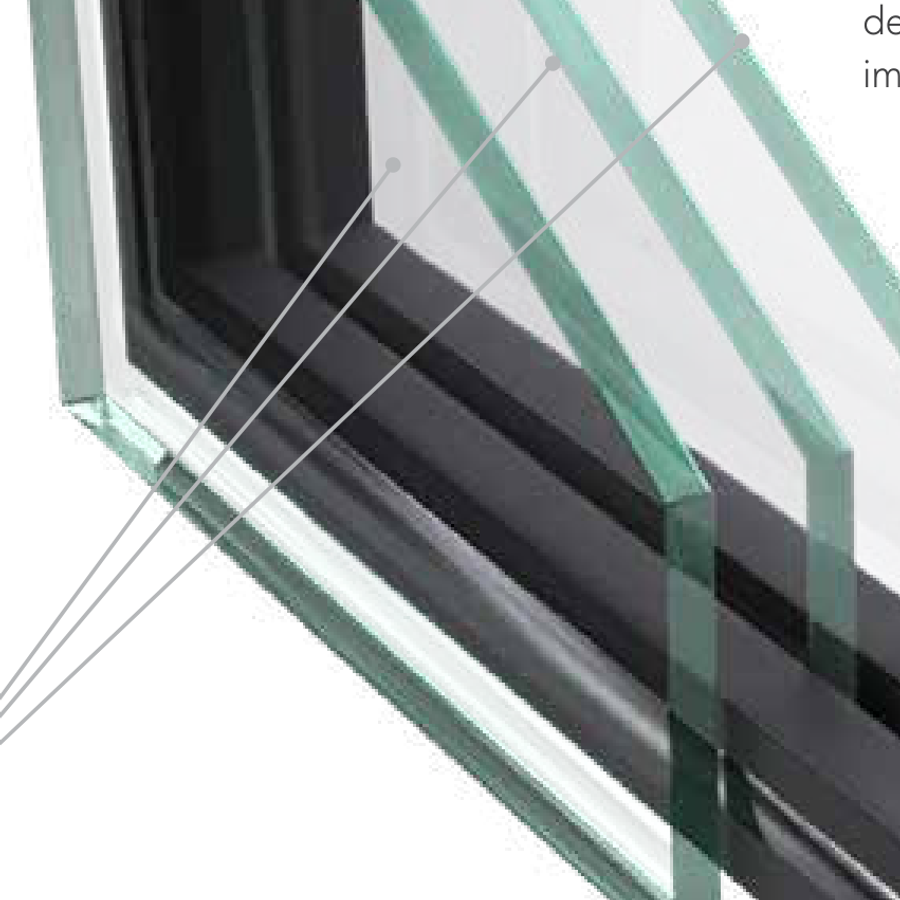
- Glass to U-0.22 triple-pane; blinds available between the glass
- Lifetime non-prorated warranty, same family as our Soft-Lite windows
ProVia Endure (sliding)
The same Endure vinyl family as our ProVia windows — a natural match if you're already putting Endure windows in the same rooms.
- U-factor as low as 0.17
- Neopor graphite-infused foam insulation
- ComforTech warm-edge glazing; internal blinds option
- Transferable Lifetime Limited warranty including glass breakage
ProVia Legacy French & hinged
The swing option. A French pair when you want both panels to open, or a hinged configuration — one swinging door beside a fixed glass unit — when you want the look without giving up the wall.
- 20-gauge steel, left or right active panel, inswing or outswing
- Unequal-size configurations — use the larger door daily, open both when you need to
- Hinged 460 series pairs a swinging door with a fixed unit and a sliding screen
- Factory-installed pet door option, rated for dogs up to about 50 lb
- Blinds between the glass available; ComforTech glazing
Pella & Sierra Pacific (clad-wood)
Real wood inside, aluminum clad outside. The right call when the patio door has to match wood trim or existing wood windows in the same room.
- Pella Lifestyle — sliding, French and bifold, with integrated blinds and shades between the glass
- Sierra Pacific — sliding and swinging clad-wood, with stainless multipoint hardware
- Stainable interiors; factory-finished clad exteriors that never need painting
- Pella warranty is limited lifetime with 20-year glass
BRANDS WE INSTALL




Worth knowing
Sliding or French — the honest trade-off
This is almost always decided by the room, not by preference. Here's what actually separates them.
| Feature | Sliding | French / hinged |
|---|---|---|
| Floor space | Takes none — the panel slides along the wall | Needs clear swing space inside or out |
| Opening width | Half the opening on a 2-panel; 3-panel units go to 12 feet and wider | The full opening when both panels are open |
| Tightness | 0.06 CFM on the Kingsroyal — the tightest number we can quote | Very good, but a slider with a two-point lock is hard to beat here |
| Furniture | You can put a table right up to it | The swing arc has to stay clear, indoors or out |
| Look | Cleaner, more glass, more contemporary | Traditional — reads like a door rather than a window |
| Screens | A sliding screen on its own track | Sliding screen on hinged configurations; a French pair is harder to screen |
Small room, furniture near the door, or a deck that's tight — slider, nearly always. A wide opening onto a patio you entertain on, where you want the whole thing open — French.
Let's talk about your project.
How it works
- 1
Free consultation
We measure the opening, check the floor for level, and walk through slide-versus-swing, glass package and hardware. You get a clear written proposal — no pressure.
- 2
Built to your opening
Your door is made to the measured opening and factory-finished. Most orders take a few weeks.
- 3
Install day
Same crews, job after job. Most patio doors are a one-day install. On homes built before 1978 we work as an EPA Lead-Safe Certified Firm, which governs how the opening is contained and cleaned.
- 4
Walk-through & after
We set the door dead level so it glides on its own weight, check the lock engages without lifting, and confirm the screen tracks true. Warranty visits carry no service fee during your labor-warranty period.
Let's talk about your project.
Flexible monthly payments available through Service Finance. See financing options →
Last updated — we keep product specs and warranty terms on this page current with what we actually install.
Patio Doors — common questions
Reviewed September 2026
Why is my patio door the coldest part of the room?
Because it's the biggest piece of glass in the wall and it's the part that moves. Old sliders leak at the interlock and along the bottom track, and a hollow frame doesn't insulate. The Kingsroyal answers both — foam-filled frames rather than hollow, and 0.06 CFM of air infiltration against a 0.30 industry minimum.
My slider is hard to open. Is that fixable or does it need replacing?
Worth having us look. Sometimes it's rollers or a dirty track. But often the panel has racked because the sash stiles flexed over the years, and once a panel is out of square it will keep binding. New units put metal reinforcement in every vertical stile specifically to stop that.
Sliding or French — which is better?
Neither, and it's usually the room that decides. A slider takes no floor space and lets you put furniture right up to it. A French pair opens the full width, which is what you want on a patio you entertain on — but it needs clear swing space inside or out. We check the furniture layout at the consultation, not on install day.
Can I get blinds inside the glass?
Yes, on several of the lines — Kingsroyal, ProVia Endure and Pella all offer blinds sealed between the panes. They tilt from a control on the frame, never need dusting, and there are no cords. On a door that gets a lot of sun or a lot of hands, it's the option people are happiest with afterward.
How secure is a sliding door?
Better than the old ones deserve their reputation for. The Kingsroyal uses a two-point stainless mortise lock that pulls the panel into the jamb at the top and bottom rather than latching only in the middle, and it's keyed from outside. That also seals better along the full height, so security and draft get fixed by the same part.
How wide can a patio door go?
Two-panel units come in 5, 6 and 8 feet, and three-panel configurations go to 9 or 12 feet and custom widths. Transoms and sidelites can go on any size. If you're opening up a wall, tell us at the measure and we'll size the whole opening rather than just replacing like for like.
How long does the install take?
Most patio doors are a one-day install. The lead time is the build — a few weeks, because the door is made to your measured opening.
What's the warranty?
Two separate warranties, and the specifics vary by line. Soft-Lite's Kingsroyal carries a lifetime limited product warranty that can transfer once to the next owner — same family as our Soft-Lite windows; ProVia's is Lifetime Limited and also transfers to one owner; Pella's is limited lifetime with 20-year glass. Excel warrants the labor for five years on all of them. The specifics are written into your contract — read them, and ask us anything.
Will the same crew be on my job?
Yes. We send the same crews job after job — low turnover, same faces from start to finish.
Ready When You Are
Let's talk about your patio doors.
A free, no-pressure in-home consultation. We bring the product samples, measure what we need to measure, and leave you with a clear written proposal — not a sales pitch.